
We were born out of the recognition that our Native Hawaiian and Pacific Islander haumāna needed and deserved behavioral health support that is culturally relevant and responsive. We believe in the power of knowing your history, acknowledging the impacts of historical and intergenerational trauma on our experiences today, and helping the lāhui thrive, one healthy and resilient haumana at a time.
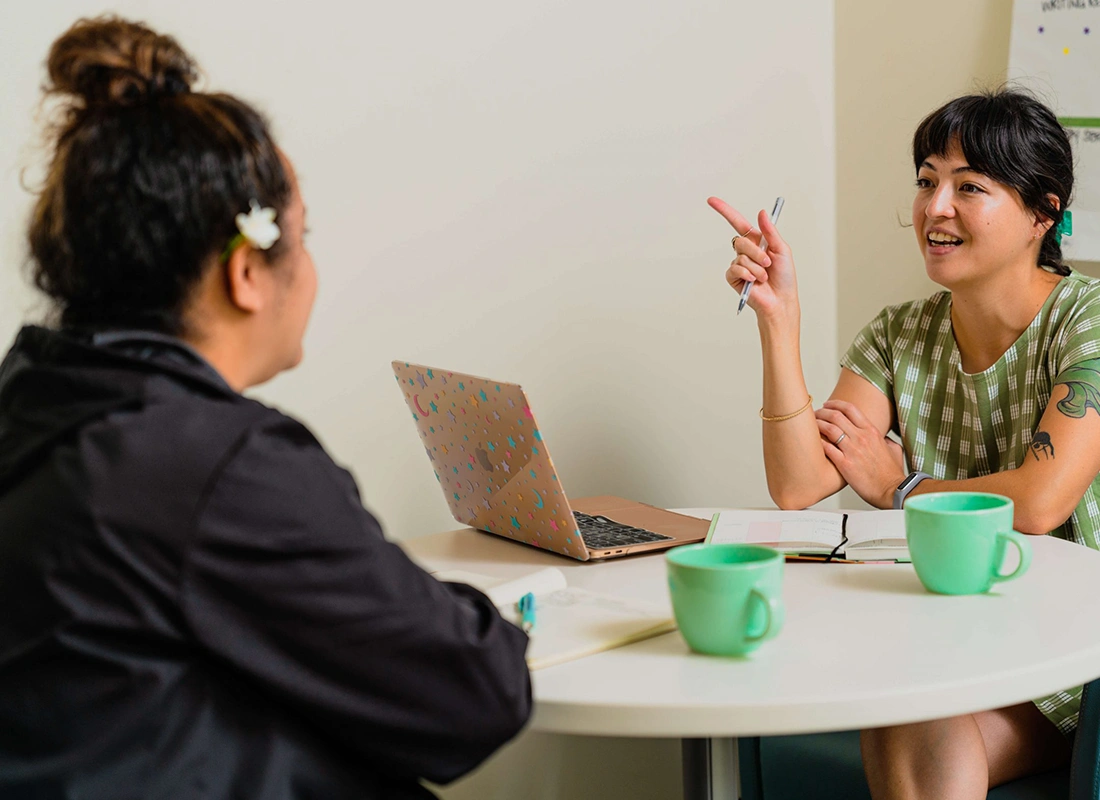
The mission of Ka Malu a Waʻahila is to utilize an indigenous-informed lens to foster belonging for all students, faculty and staff at the University of Hawaiʻi at Mānoa to elevate the behavioral health of the lāhui.
Ua hoʻokāhua ʻia kēia papahana no ke kākoʻo ʻana i nā Kānaka Hawaiʻi Maoli a me nā ʻŌiwi o ka Moananuiākea i ka paepae ʻana ā paʻa ke kahua mauli ola ma o ka ʻīnana ʻana iho i ke ahi ʻā loa ʻo ka Mauli Kānaka, Mauli ʻŌiwi, Mauli Ola. E kū kānaka i nā ala kuamoʻo o ke au kahiko, e haʻi aku i ko lākou moʻolelo ʻōiwi a e kaʻi ʻia akula ke ala ā hiki aku i hiki ola.
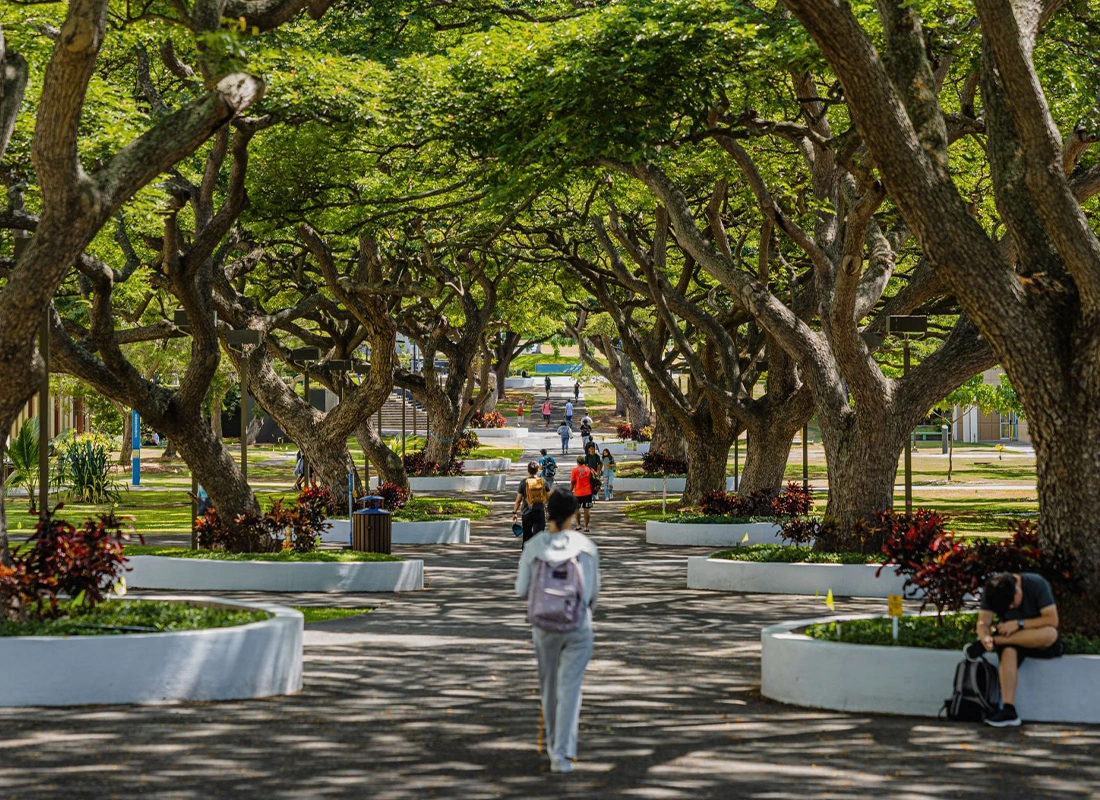
An abundant, vibrant, and psychologically resilient lāhui.
Ua hoʻokāhua ʻia kēia papahana no ke kākoʻo ʻana i nā Kānaka Hawaiʻi Maoli a me nā ʻŌiwi o ka Moananuiākea i ka paepae ʻana ā paʻa ke kahua mauli ola ma o ka ʻīnana ʻana iho i ke ahi ʻā loa ʻo ka Mauli Kānaka, Mauli ʻŌiwi, Mauli Ola. E kū kānaka i nā ala kuamoʻo o ke au kahiko, e haʻi aku i ko lākou moʻolelo ʻōiwi a e kaʻi ʻia akula ke ala ā hiki aku i hiki ola.
We believe that decolonizing mental health and improving access to culturally safe and responsive services is an act of psychological self-determination and moves us in the direction of collective mauli ola.
Ua hoʻokāhua ʻia kēia papahana no ke kākoʻo ʻana i nā Kānaka Hawaiʻi Maoli a me nā ʻŌiwi o ka Moananuiākea i ka paepae ʻana ā paʻa ke kahua mauli ola ma o ka ʻīnana ʻana iho i ke ahi ʻā loa ʻo ka Mauli Kānaka, Mauli ʻŌiwi, Mauli Ola. E kū kānaka i nā ala kuamoʻo o ke au kahiko, e haʻi aku i ko lākou moʻolelo ʻōiwi a e kaʻi ʻia akula ke ala ā hiki aku i hiki ola.
Our clinicians value the importance of shifting beyond cultural competency into cultural safety, which necessitates engaging in ongoing self-reflection and awareness to hold ourselves and our systems accountable for addressing biases, attitudes, and assumptions that impact clinical interactions and the therapeutic relationship. Cultural safety also requires us to actively reduce bias and achieve health equity.
Our clinicians are grateful for the guidance of the Pilinahā framework, which offers a definition of health and well-being as the following:
Our clinicians practice from a trauma-informed care perspective, which understands that trauma is pervasive, and a component of our shared histories as indigenous peoples. We aim to avoid any practices that may inadvertently re-traumatize and instead seek to promote an environment of healing and empowerment.
Social determinants of health are the contexts and conditions in the environments in which people live, work, and play that affect their health, well-being and quality of life. Risk factors such as poverty or systemic racism can directly negatively impact an individualʻs and communityʻs health, and are necessary to address in order to achieve health equity (ensuring all people have equal opportunity to live the healthiest life possible). Antiracism, or the process of actively supporting policies that ensure racial equality, is one example of working toward health equity, and is a core tenet of our philosophy.
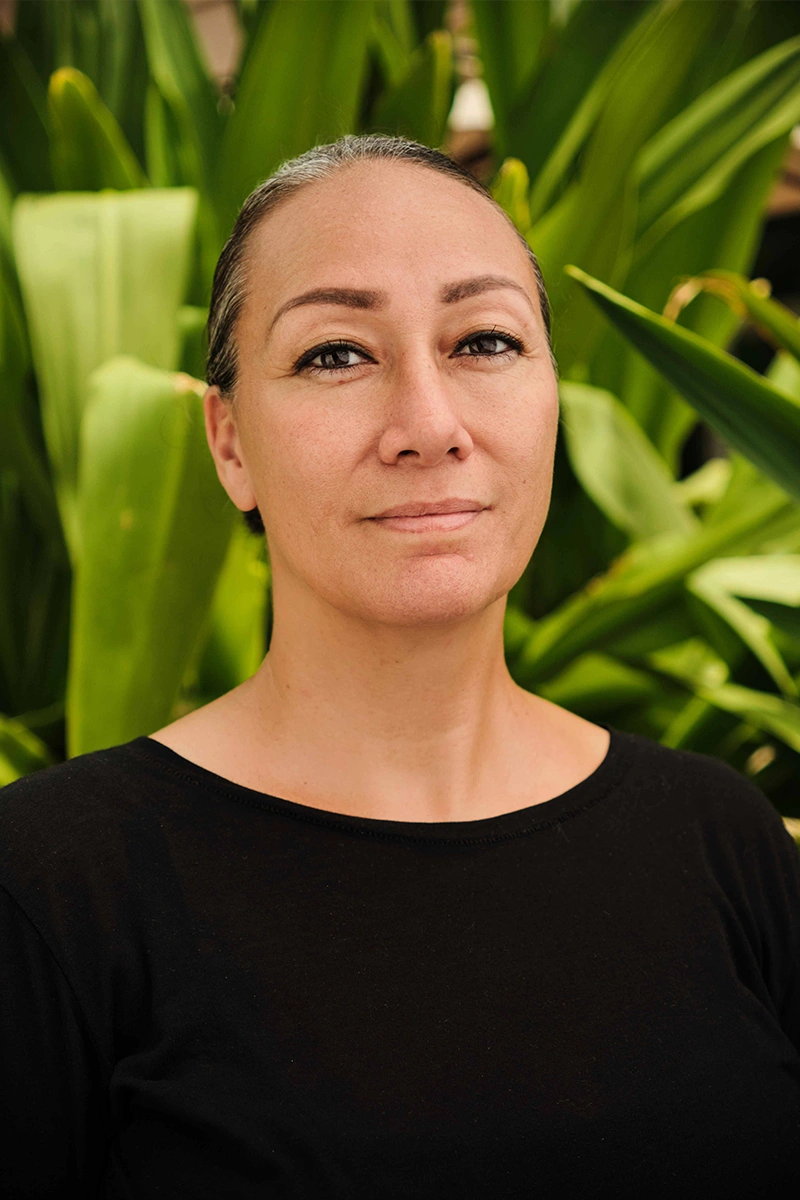 Mahealani Malepeai, LCSW
Lead Clinician
Junior Specialist, Department of Native Hawaiian Health, John A. Burns School of Medicine, University of Hawaiʻi at Mānoa. Mahealani was born in Islip, New York raised on both the East Coast and in Oʻahu. She is a graduate of Kalani High School, and has her undergraduate and graduate degrees from Hawaiʻi Pacific University in Social Work. She is a Licensed Clinical Social Worker and has worked in the medical social work field for 16 years in different settings. Ethnically, she identifies as Samoan, Hawaiian, Maori, French Canadian and Swedish and finds comfort and inspiration in learning about Hawaiʻi where she calls home. She feels there is a connection and appreciation for all Pacific Island culture especially here in Hawaiʻi. She has a passion for helping people and perpetuating cultural practice and land conservation. Her work now centers on supporting Native Hawaiian and Pacific Islander students as they navigate some of the first independent, exciting, and challenging transitions of their lives. She also provides clinical supervision to MSW fellows through Mohala Liko Lehua, a clinical training program within the Department of Native Hawaiian Health. Outside of the office, she enjoys spending time with her family and gardening.
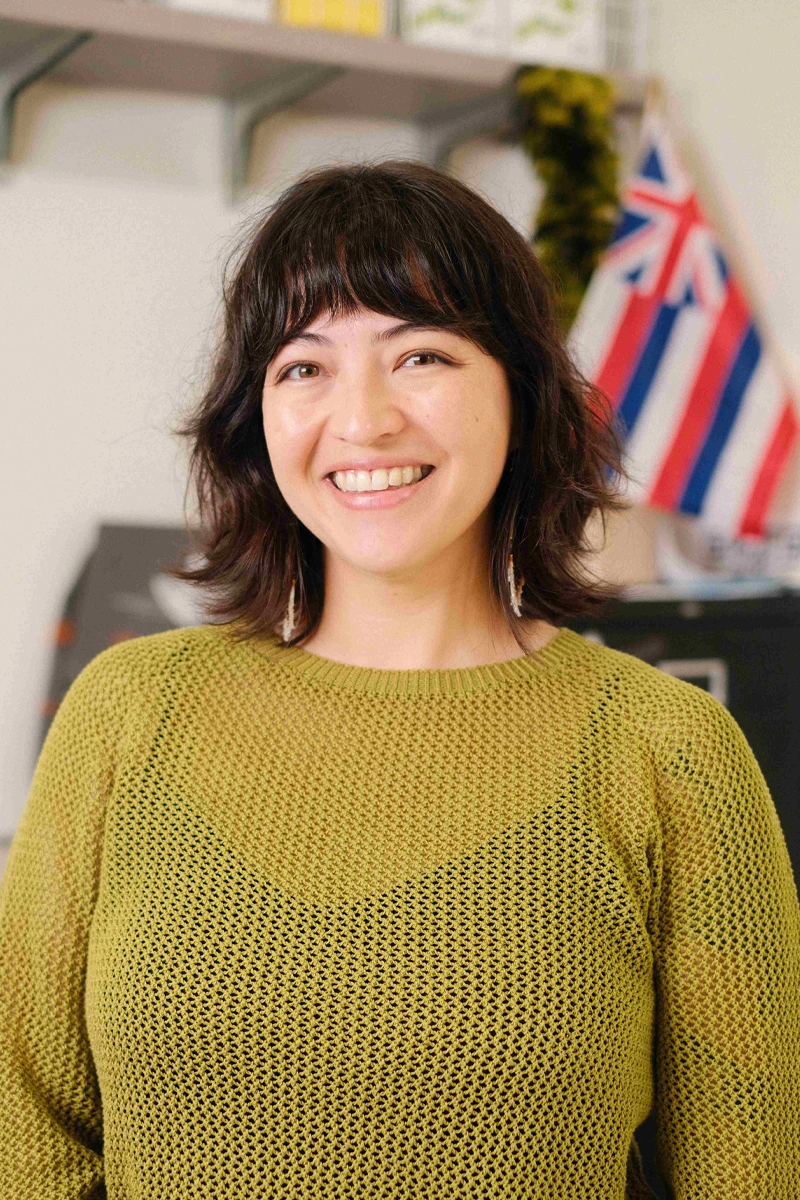 Jillian Freitas, PsyD
Program Director
Assistant Professor, Department of Native Hawaiian Health, John A. Burns School of Medicine, University of Hawaiʻi at Mānoa. Dr. Freitas was born and raised in Mililani, Oʻahu, and graduated from Kamehameha Schools Kapālama. Ethnically, she identifies as the typical plantation mix - Japanese, Portuguese, Belarusian, and Native Hawaiian - and finds comfort and inspiration in learning more about each of her cultural backgrounds. She obtained her undergraduate degree at Chapman University (Orange, CA) and her doctoral degree in clinical psychology, with an emphasis in child and adolescent psychology, at Pacific University (Hillsboro, OR). She returned home to the islands to complete her pre- and post-doctoral training at Waiʻanae Coast Comprehensive Health Center before moving to Maui to develop a behavioral health program within the Native Hawaiian Health Care System at Hui No Ke Ola Pono. Now, Dr. Freitas serves the lāhui through both clinical and academic endeavors–as an integrated primary care psychologist at EmPower Health (Queen's Health Systems) and as a faculty member of JABSOM involved in teaching, research, and program development. She enjoys fostering empathy skills in medical students as a means of approaching health equity for all. Dr. Freitas also represents JABSOM on the statewide Trauma-Informed Care Task Force, and is a member of the workforce committee of E Ola Mau a Mau (Papa Ola Lōkahi). She is passionate about the intersection of cultural identity and behavioral health, and understanding the backdrop of social and cultural determinants of health and resilience as a pathway for reducing health disparities. She is also a fierce ally and advocate for trans, non-binary, gender diverse and other LGBTQAI youth and families. As a mama of two and a certified perinatal mental health clinician, she enjoys supporting birthing people and their partners as they navigate fertility, pregnancy, postpartum and the parenting experience. In her moments of self-care, Dr. Freitas can be found decompressing with a yoga practice, running outdoors, devouring fictional novels, tucking away with a quiet craft project, watching British mysteries, and rambling through hiking trails with her ʻohana.
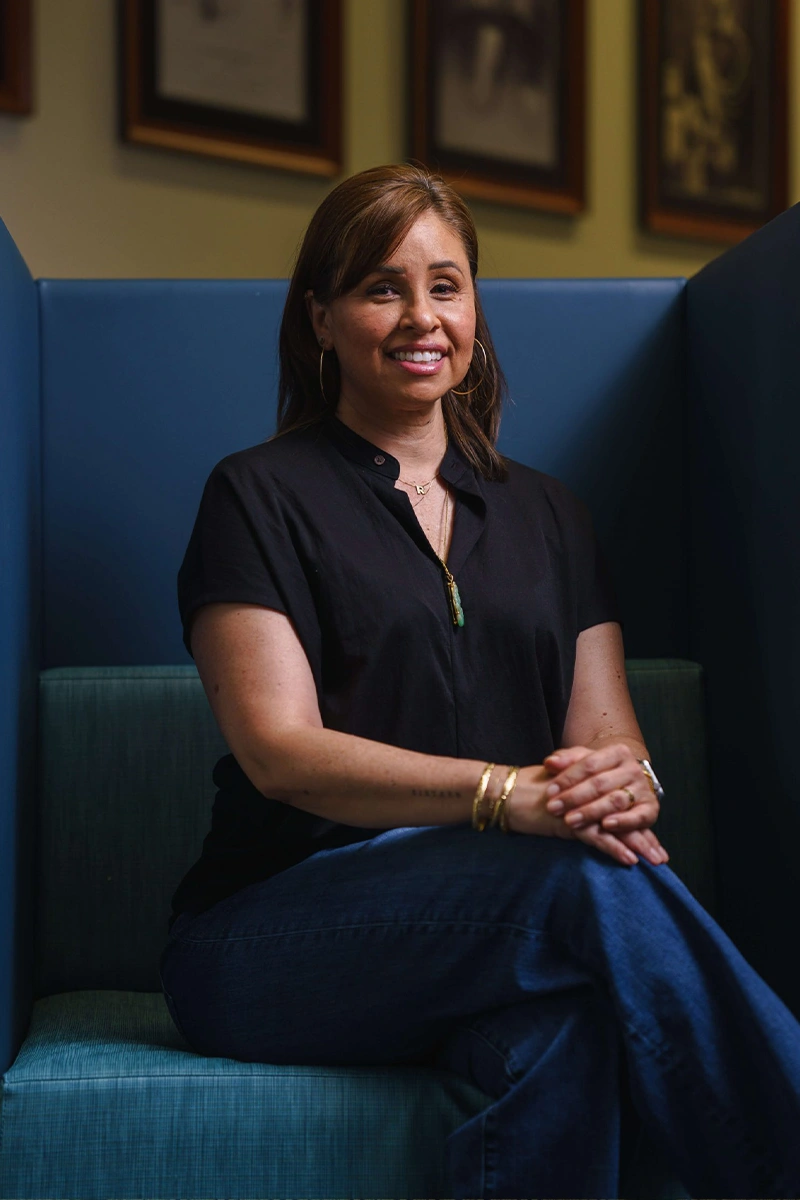 Robin Miyamoto, PsyD
Director of Clinical Services
Assistant Professor and Director of Clinical Services, Department of Native Hawaiian Health, John A. Burns School of Medicine, University of Hawaiʻi at Mānoa. Dr. Miyamoto is a licensed clinical psychologist who earned her PsyD from Argosy University and completed her clinical training at Tripler Army Medical Center with a specialty in Health Psychology/Behavioral Medicine. For the last 15 years, she has been active in promoting training opportunities in primary care psychology, particularly in rural and underserved communities within the state of Hawaiʻi. She is a past President of the Hawaiʻi Psychological Association and a member of Nā Limahana of Lonopūhā Native Hawaiian Health Consortium. She is currently serving the lāhui as an integrated primary care psychologist at an ambulatory clinic (QUMC-Kahala) within the Queen’s Health Systems, and through her practice with University Health Partners Lau Ola Clinic, specializing in supporting patients with diabetes, renal disease, liver disease, and cancer. In her academic work, Dr. Miyamoto oversees all clinical activities of the Department of Native Hawaiian Health, including Lau Ola Clinic, Ka Malu a Wa’ahila, as well as the ongoing medical care to patients in Kalaupapa. In addition to her role as a lecturer and Problem-Based Learning tutor for medical students, she also serves as a consultant for the Geriatric Workforce Enhancement Program and is a Robert Wood Johnson Clinical Scholar. In her free time, Dr. Miyamoto enjoys hiking, baking, and spending time with her family and dogs.
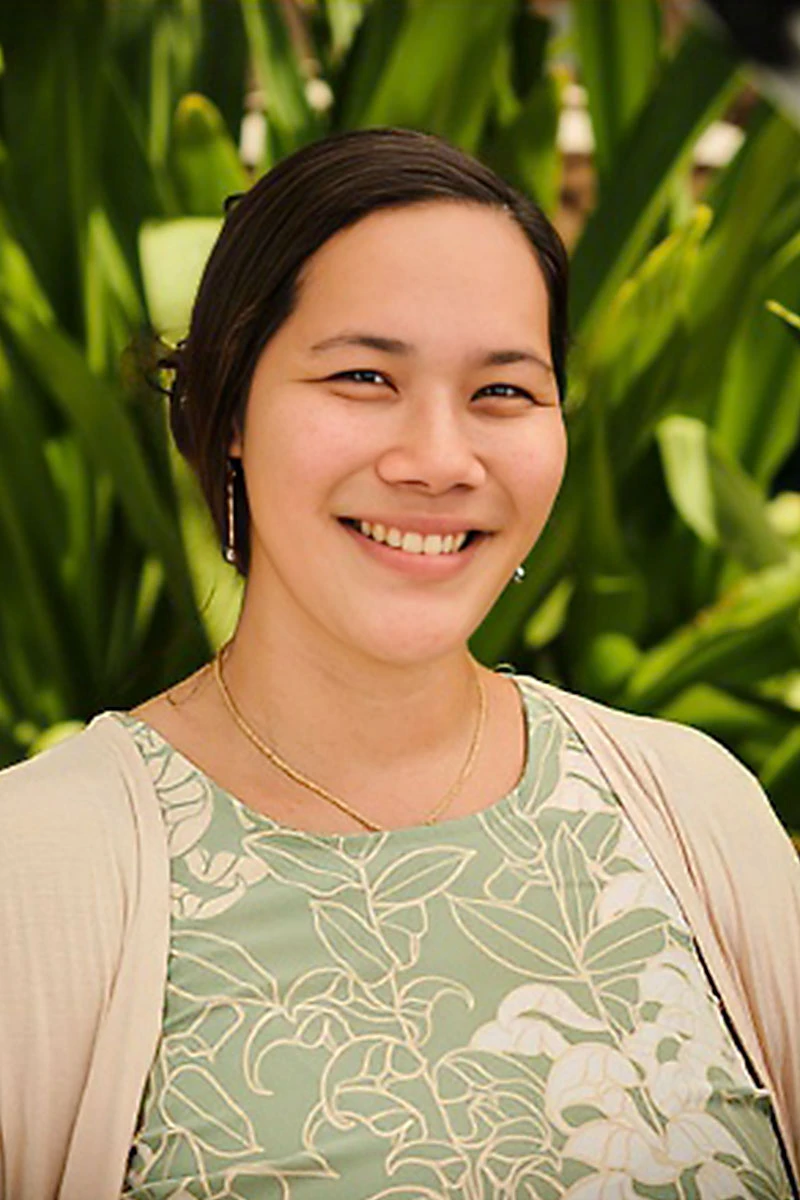 Heaven Faʻagau, MEd
Heaven was raised on the east side of Oʻahu in Waimānalo, where she still resides today. She double-majored in Psychology and Integrated Educational Studies and earned her undergraduate degree from Chapman University in 2020, followed by a Master’s in Curriculum and Instruction. Heaven joined the Department of Native Hawaiian Health in 2021 as a Research Assistant and now serves as the Curriculum Development Project Coordinator in the Clinical Division. She has a passion for supporting education, Native Hawaiian health, and meaningful learning experiences across communities. She loves spending time with her husband and three young keiki in their sweet home of Waimānalo. In her role, she looks forward to supporting innovative curriculum development, strengthening learning opportunities across the department, and continuing to uplift the community that raised her.
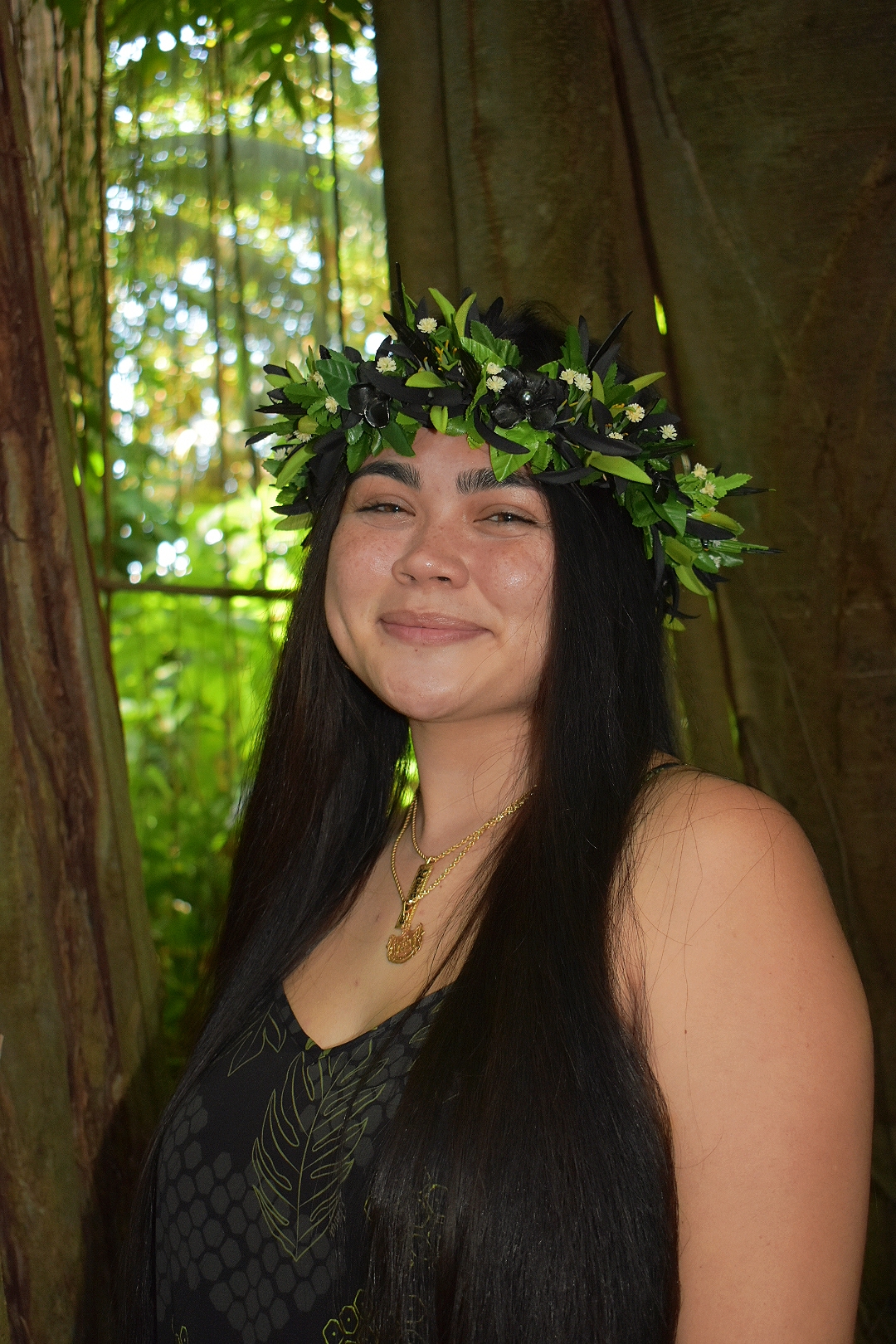 Bree Kipilii, LSW, Licensed Clinical Social Work Fellow:
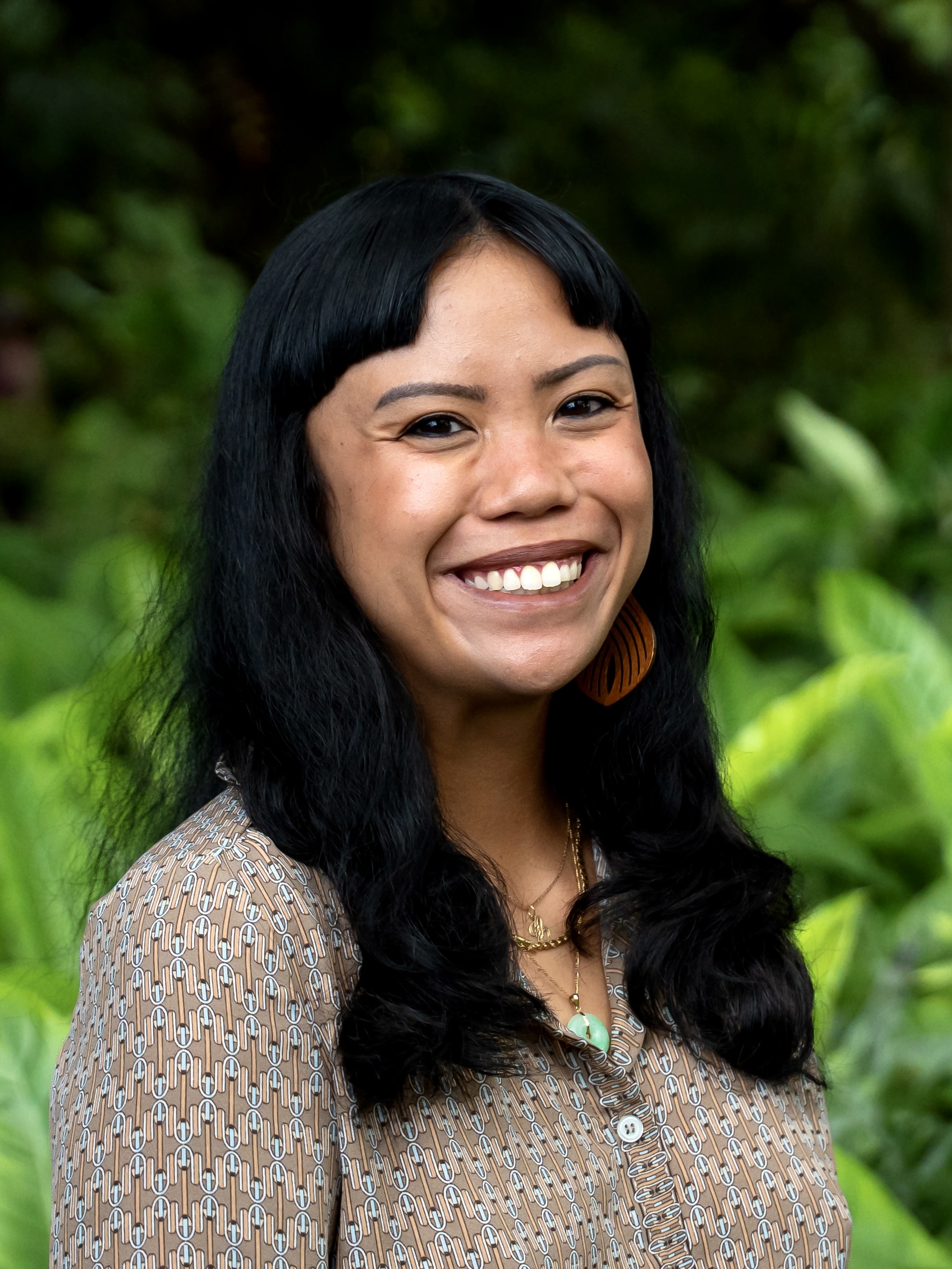 Catherine Maria Malulani Jara, LSW, Licensed Clinical Social Work Fellow:
Catherine was born and raised in ʻEwa Beach, Oʻahu, and graduated from Kamehameha Schools Kāpalama. She received her Bachelor of Social Work from Hawaiʻi Pacific University and her Master’s in Social Work, along with an Advanced Clinical Social Work Practice Certificate, from the University of Southern California. Ethnically, she identifies as Native Hawaiian, Filipino, Chinese, Spanish, English, and German. Looking to her aliʻi as global citizens who traveled across the pae ʻāina and cultivated pilina across cultures, she believes that to be Hawaiian is to embrace all of her identities, including her queer identity.
Through her work on grassroots, community-centered research projects exploring identity, health, and well-being within Native Hawaiian communities, she felt a kuleana to use research and social work practice to support NHPI and other Indigenous communities to reclaim their stories and feel empowered in their healing. Academically and professionally, she has served communities across Hawaiʻi through nonprofit organizations including We Are Oceania, Ke Ola Mamo, Palama Settlement, and Spill the Tea Cafe. She is especially passionate about working with transitional-aged youth and young adults who are navigating grief and identity-related stressors through culturally grounded, trauma-informed care. She hopes to continue working alongside communities to co-create systems of care that reflect diverse conceptualizations and expressions of identity and well-being. Outside of work, she enjoys spending time with loved ones, including her rescue dog Scooby, learning cultural practices such as weaving lauhala, collaging and creative writing, attending board game nights with friends, and volunteering at the Hawaiian Humane Society Kosasa Family Campus food bank.
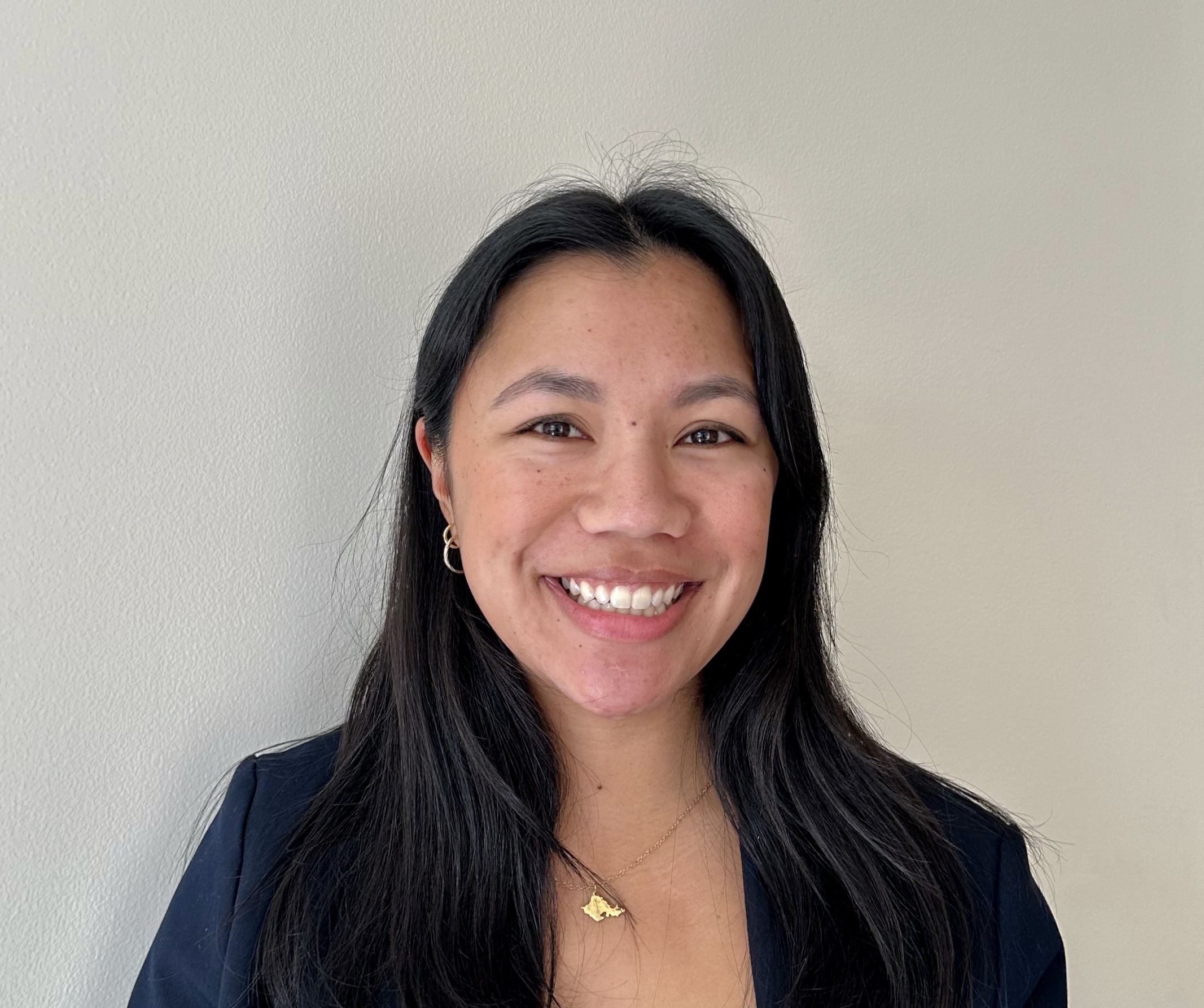 Malia Brooks, LSW, Licensed Clinical Social Work Fellow:
Malia (she/her) has always been curious about how our ancestors’ lives and experiences we may not remember impact the present. Her upbringing on Oʻahu instilled a sense of kuleana to help perpetuate Hawaiian well-being and self-determination. Her time at Whitman College (Walla Walla, WA) and Smith College School for Social Work (Northampton, MA) sparked her interest in analyzing the relationship between knowledge and power, which brought her back to aloha ʻāina and alternative ways of understanding health and healing. Through her M.S.W. practicums at North Suffolk Community Services (Chelsea, MA) and Cambridge Health Alliance (Cambridge, MA), a Harvard Medical School teaching hospital, she worked with a diverse range of youth, families, and adults, particularly with those who held an intersection of identities such BIPOC, queer, nonbinary, low-income and/or an immigrant. As a social worker, she is passionate about working collaboratively with clients to be more in alignment with their vision of well-being, while also considering the impact of systemic or institutional barriers. She believes in the healing potential of relationships, creativity, and movement.
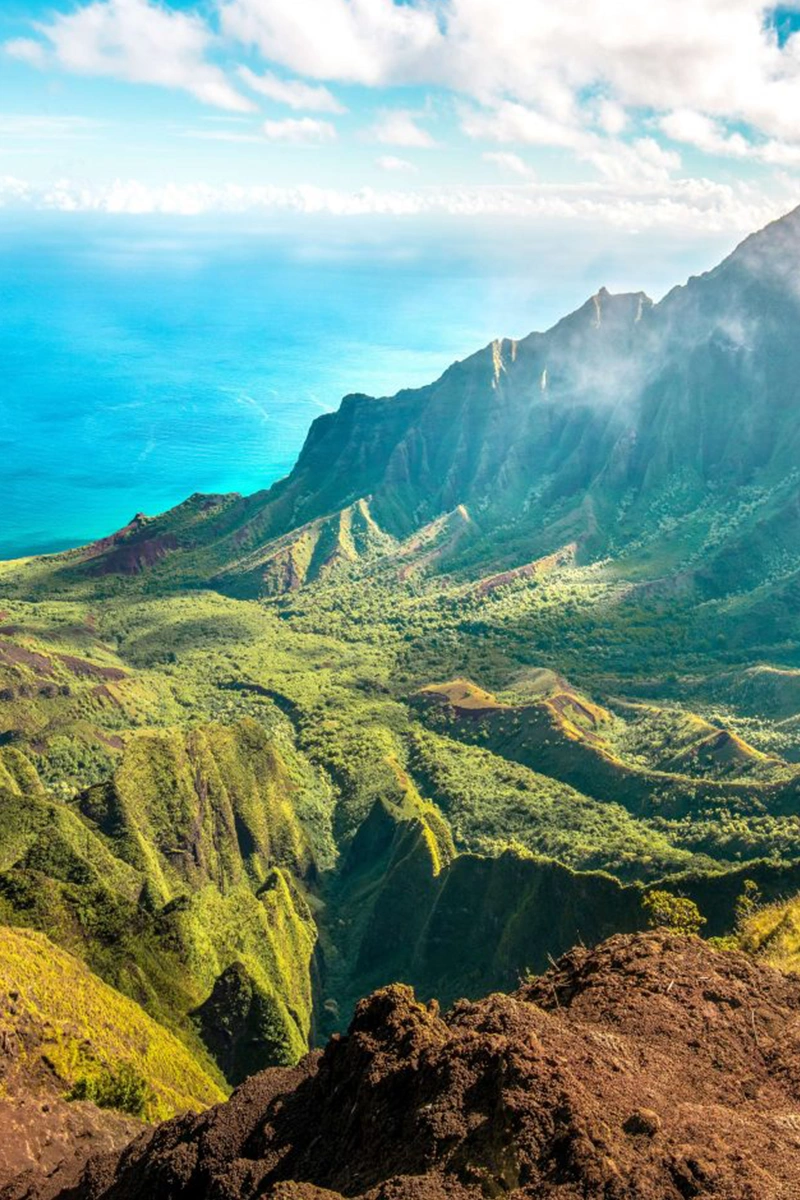 The moʻolelo of our inoa
Our inoa was gifted to us by Dr. Keawe Kaholokula (Chair, JABSOM, Dept. of Native Hawaiian Health) and Dr. Laiana Wong (Professor, Kawaihuelani), to evoke the image of being under the protective shade of Waʻahila, the mountain ridge that casts a shadow over Mānoa. Waʻahila is also the name of an ua (rain) that can be found within the ahupuaʻa that connects the main UH Mānoa campus and the John A. Burns School of Medicine in Kakaʻako (Kaʻākaukukui). As with most Hawaiian names and images, there is of course a kaona, a deeper meaning to unpack. Waʻahila and Kiʻowao were twins whose mother had died in childbirth. When their father later remarried, they were subject to persecution and trauma by their stepmother who persistently sought out the twins for punishment despite their efforts to escape. With the protection of their deceased mother and ancestors, and through their great resilience, they were able to eventually find refuge and cultivate the ʻāina, creating a sense of safety, community and sustainability. It is this concept of resilience that we hope to nurture in Ka Malu a Waʻahila. We are cultivating a space that acknowledges the existence of trauma and seeks to both heal and prevent further suffering, so that our people can flourish.
ʻAʻohe hana nui ke alu ʻia. (Pukui, ON #142). No task is too big when done together by all.
So many hands and hearts went into the creation and indigenizing of this behavioral health program. This program was made possible by the tireless championing of the Kūaliʻi Council, who recognized the need to provide culturally relevant and grounded services to all of our students, including our Native Hawaiian haumāna who represent the indigenous people of this place we call home. We extend our deepest gratitude to Dr. Keawe Kaholokula, Dr. Robin Miyamoto, Gina Cummings, and Chessa Harris of the John A. Burns School of Medicine, Department of Native Hawaiian Health, for your innovation and for ushering this program into existence. Mahalo to Dean Jerris Hedges, Provost Michael Bruno, and CBO Sandy French for the funding of this program and for prioritizing Native Hawaiian behavioral health. Mahalo to Dr. Willy Kauai of Native Hawaiian Student Services and Dr. Allyson Tanouye of the Counseling and Student Development Center for your openness to sharing manaʻo and space with us to allow this program to come to fruition. Mahalo to Drs. Kaholokula and Laiana Wong for the gifting of our inoa, which guides our purpose and direction. Our providers are ‘Ōlelo Hawai’i learners, not fluent speakers, and have partnered with a cultural advisor to assist in the translation of this website. Mahalo piha to Kaipulaumakaniolono Baker for your translation and compassionate, expert guidance. And mahalo to the haumāna who have allowed us into their lives, to kākoʻo them along their health journeys to achieve mauli ola. E ola!